The digital bookmark is almost as old as the mainstream web. The first graphical browsers already let you keep a list of addresses: Mosaic called it a "hotlist", Netscape "bookmarks", Internet Explorer "favorites". Three words for the same gesture.
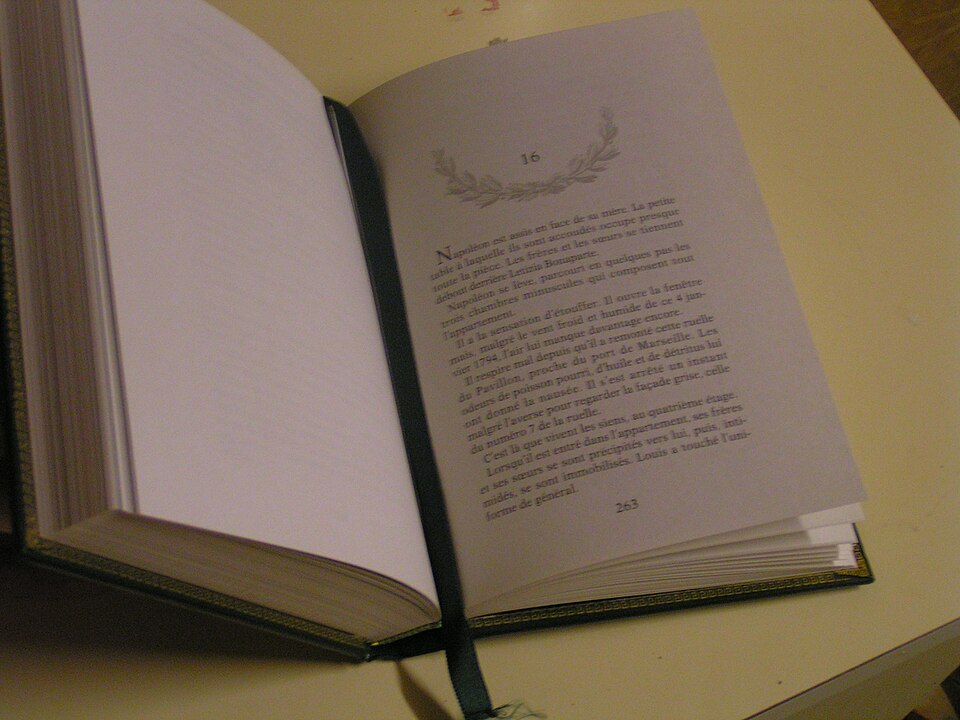
Source: Wikimedia Commons, CC BY-SA 3.0.

From personal file to sharing
For years this list stayed locked in a browser, on one machine. Changing computers often meant losing it.
Delicious changed that in 2003. Its bookmarks were online, public by default and sorted with free-form keywords. You could discover what others were saving. This tagging system, chosen by each person with no hierarchy, inspired a good part of the web of the time.
Saving isn't finding
The problem with bookmarks has always been the same: we add many and consult few. After a few years, some links lead nowhere.
Keeping the content of the page, and not just its address, answers that disappearance. Full-text search also lets you find what you only half remember. That's where bookmarks and read-it-later meet.