You run into a long article at the wrong moment. Between two meetings, in a queue, halfway through looking for something else. It looks interesting, but it asks for twenty minutes you don't have. So you leave the tab open, email yourself the link, and promise to come back.
Read-it-later services were born from this small problem. Read It Later appeared in 2007, Instapaper in 2008. The idea fits in one sentence: a button in your browser sets the article aside, and you find it later, stripped of everything that surrounded it.
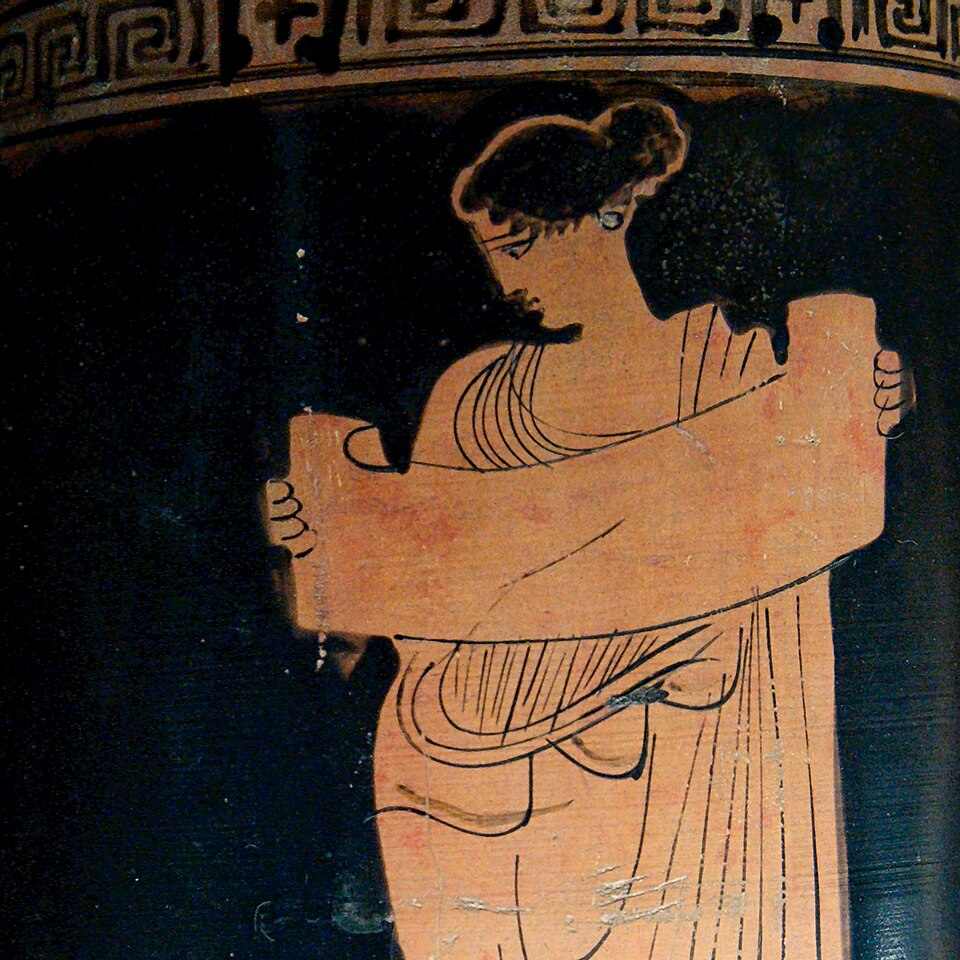
Source: Klügmann Painter, Wikimedia Commons, Public domain.

Separating discovery from reading
Finding a text and reading it are two different activities. The first happens quickly, in bursts, often on a cluttered screen. The second needs calm and some continuity. As long as the two are mixed, you read badly: you skim, you jump to the end, you open something else.
Setting an article aside gives you permission not to read it right now. It closes the tab, and the small guilt that came with it.
The pile problem
There is an obvious downside. The list grows faster than it shrinks, and ends up looking like a library of good intentions. Plenty of people keep hundreds of articles they will never open.
It isn't that serious. Some of those articles have lost their interest, and the delay is exactly what lets you see it. What felt essential on Tuesday morning rarely still does the following Sunday. Sorting the list from time to time is part of using it.
A common estimate of reading time is a simple division: \( t = \frac{w}{200} \), where \( w \) is the number of words. At that pace, a pile of 300 articles of 1,000 words each still adds up to 25 hours.
Keeping a copy
The web forgets quickly. A site changes address, a newspaper closes, a post disappears behind a paywall. When you saved the text and not just the link, you still have it.
The end of Pocket in 2025 was a reminder of the other half of the problem: you also need to get your list back when the service holding it stops. A reading list built over years deserves an open export format and a tool you can leave.