For a long time, the newsletter was the poor relation of corporate communication: promotions, a word from the director, an unsubscribe link in tiny print. In a few years it has become one of the places where part of the independent press gets written.
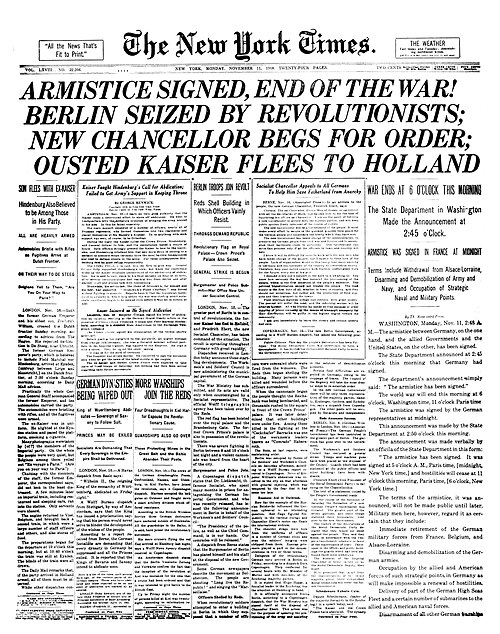
Source: Charles Ransom Miller, Wikimedia Commons, Public domain.

Back to a direct relationship
The success comes down to something simple. A social network decides what your followers see, and can change its mind overnight. A list of addresses belongs to whoever built it. You can take it with you and leave.
Platforms like Substack, launched in 2017, or Ghost, which is open source, have made it very easy: you write, you send, you charge if you want.
Living off your readers
This model lets a recognized writer make a living with a few thousand paying subscribers, where a traditional outlet would need millions of visits. It favors specialization: the local politics of a region, an industry, a subject newsrooms can no longer afford to follow.
In the inbox, then elsewhere
The reader's problem remains. A newsletter lands among bills and notifications, at a time that is never the right one. Many go unread. Taking those texts out of the mailbox and gathering them with your other reading has become a habit of its own.